Caregiver Certification: Advance Your Career and Care
In the modern healthcare and home-care industries, becoming a certified caregiver is no longer just a bonus. It is an essential step toward professional credibility, improved patient outcomes, and personal growth. Caregiver certification provides a foundational understanding of patient care, safety procedures, communication skills, and medical basics, equipping individuals with both confidence and competence.
What is Caregiver Certification?
Caregiver certification is a formal recognition that an individual has completed a training program designed to teach essential skills needed to provide quality care. Whether you're caring for an elderly parent, a disabled individual, or working in a professional home health aide role, certification helps validate your knowledge and readiness.
Why Certification Matters in Today's Job Market
The demand for caregivers is rapidly growing. According to the U.S. Bureau of Labor Statistics, the employment of home health aides and personal care aides is projected to grow much faster than the average for all occupations. Certification not only sets you apart in a crowded market but also increases your chances of higher pay, job security, and advancement.
Employers prefer certified caregivers because they can trust that a minimum standard of care has been met. Certification often includes instruction in:
- Basic first aid and CPR
- Patient hygiene and mobility support
- Nutrition and medication reminders
- Legal and ethical care standards
- Dementia and Alzheimer's care
Who Should Get Certified?
Certification is ideal for both entry-level individuals and experienced caregivers looking to enhance their qualifications. Family caregivers, personal care assistants, certified nursing assistants (CNAs), and home health aides all benefit from structured training. Even volunteers and those planning to transition into nursing or therapy careers use it as a starting point.
Caregiver Certification Through My Brooklyn Institute
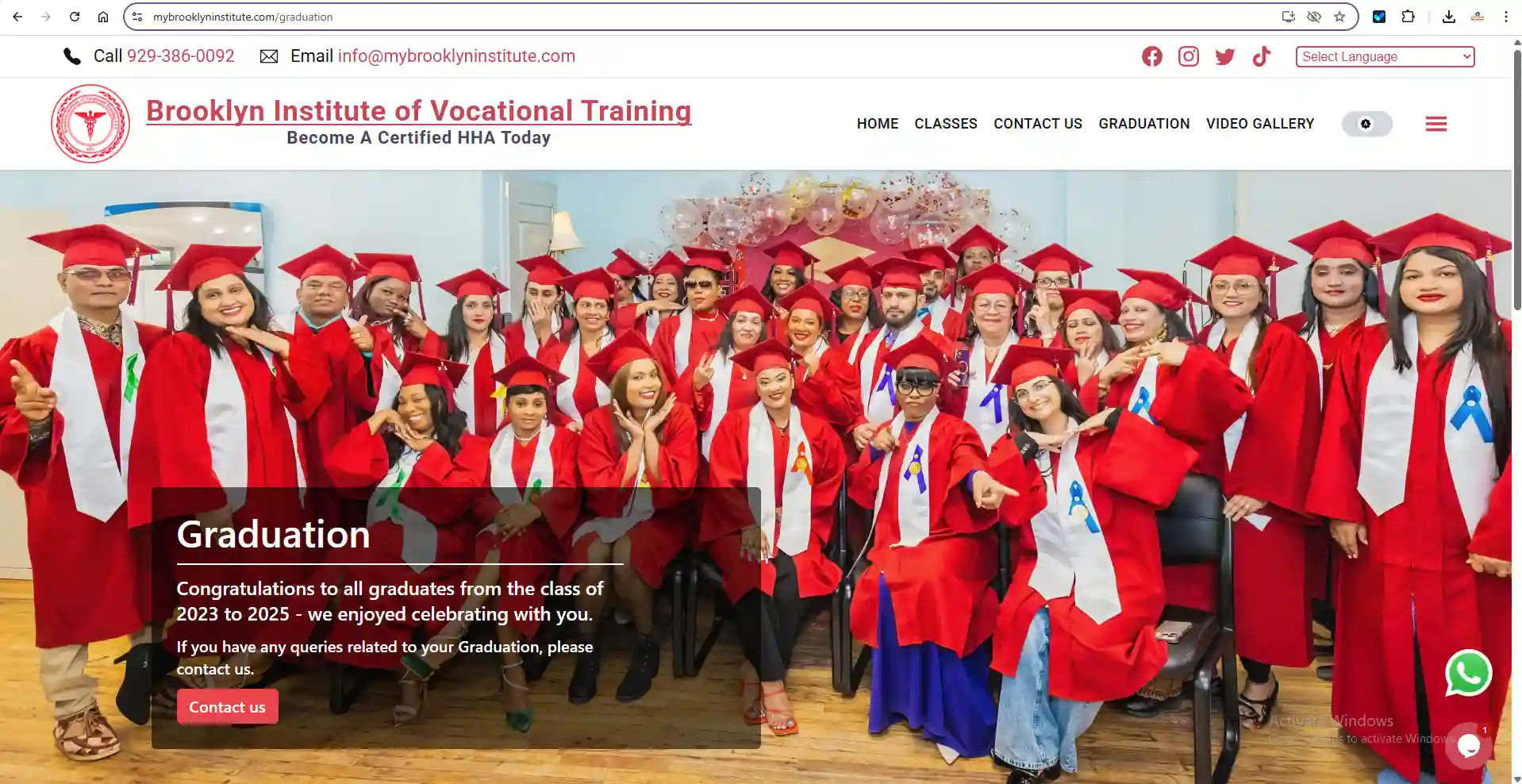
One of the most accessible and comprehensive paths to caregiver certification is offered through My Brooklyn Institute. This vocational training center offers hands-on courses that blend theory with real-world practice. Students receive guidance from certified instructors and often complete clinical hours in real care environments.
My Brooklyn Institute's programs cover vital areas such as elder care, pediatric support, physical assistance techniques, infection control, and effective communication with patients and families. Graduates not only walk away with a state-recognized certification but also gain connections to job placement opportunities in hospitals, nursing homes, and private residences.
Benefits of Becoming a Certified Caregiver
Aside from meeting legal or employment requirements, becoming certified brings a host of personal and professional benefits. These include:
- Improved knowledge and care quality
- Higher earning potential and job access
- Greater trust from patients and families
- Legal protection through documented training
- Pathway to nursing and medical careers
Digital Tools Supporting Certification Programs
Many modern caregiver certification programs now integrate digital learning modules, allowing students to access training from home. These include online quizzes, interactive patient scenarios, and video tutorials. Some platforms are even exploring AI-driven tutoring and virtual reality patient simulations. These tools make learning more flexible and engaging, especially for working individuals.
How to Choose the Right Certification Program
When selecting a certification provider, ensure that the program:
- Is accredited or state-approved
- Includes in-person or supervised clinical experience
- Prepares you for local job markets
- Offers job placement or career support
- Is financially accessible, with payment plans or aid
My Brooklyn Institute checks all of these boxes, providing accessible, affordable, and employment-focused training designed to help individuals quickly enter the workforce or upgrade their skills.
Real-Life Impact of Caregiver Certification
Certified caregivers consistently report greater confidence on the job, stronger relationships with patients and families, and faster career progression. For career changers, certification can open the door to full-time employment with benefits and a clear path toward roles like Licensed Practical Nurse (LPN). For family caregivers, the skills gained can reduce daily stress and improve the quality of care for a loved one living with dementia or other conditions.
Future of Caregiver Certification
As healthcare systems become more community-centered, certified caregivers will play an even more central role. With aging populations and more people choosing home-based care, certification will likely become a universal requirement. Institutions like My Brooklyn Institute are preparing for this shift by continuously updating their curriculum and adding specialties like hospice support and tech-assisted care.
Frequently Asked Questions
How long does it take to get a caregiver certification?+
Most programs take 4 to 12 weeks depending on the format. Some accelerated courses can be completed in as little as two weeks with full-time attendance.
How much does caregiver certification cost?+
Costs typically range from $500 to $2,000 depending on the program and state. Many institutions offer payment plans, scholarships, or employer reimbursement options.
Do I need certification to work as a caregiver?+
Requirements vary by state and employer. Some roles require formal certification; others do not. However, certified caregivers consistently get hired faster and earn more than uncertified applicants.
What is the difference between a CNA and a certified caregiver?+
A CNA (Certified Nursing Assistant) has additional clinical training and can perform certain medical tasks under nurse supervision. A certified caregiver focuses on non-medical personal care and daily living support.
Can I get caregiver certification online?+
The theory portion of many programs is available online. However, most states require hands-on clinical hours to be completed in person before a certificate is issued.
How much do certified caregivers earn?+
General industry pay ranges from $18 to $21 per hour depending on state and experience. Rates are higher in states like New York and New Jersey where demand for qualified caregivers is strong.
Is caregiver certification valid in all states?+
Not always. Each state has its own licensing requirements. Always confirm that your program is state-approved before enrolling, especially if you plan to work in a different state than where you trained.
What does a caregiver certification exam include?+
Most exams cover patient safety, infection control, personal care techniques, communication skills, and basic emergency response. Some programs also include a practical skills demonstration alongside the written test.
Conclusion: Why You Should Get Certified Now
Caregiver certification is not just a credential. It is a commitment to excellence, safety, and compassion. Whether you're starting a new career, enhancing an existing one, or simply trying to take better care of a loved one, certification opens doors to knowledge, opportunity, and better care practices.
To learn more or enroll in a caregiver training program, visit My Brooklyn Institute. Their expert-led, job-ready courses can help you step into a more confident, capable, and rewarding future as a caregiver.
At Cottage Home Care Services, founded in 2019, we value the hard work of trained caregivers. While general industry pay ranges between $18 and $21 per hour depending on state and experience, Cottage Home Care offers competitive compensation based on location and experience. If you or a loved one needs dedicated in-home care but does not qualify for Medicaid, we provide flexible and affordable private-pay solutions to ensure high-quality care for every family.
|
|


 Alex TullaoRegistered Nurse